
Pennsylvania congenital measles advisory prompts questions about protection during pregnancy
Pregnant social media users asked whether they are still protected against measles after childhood vaccination, while some commenters promoted ineffective, unsafe treatments.
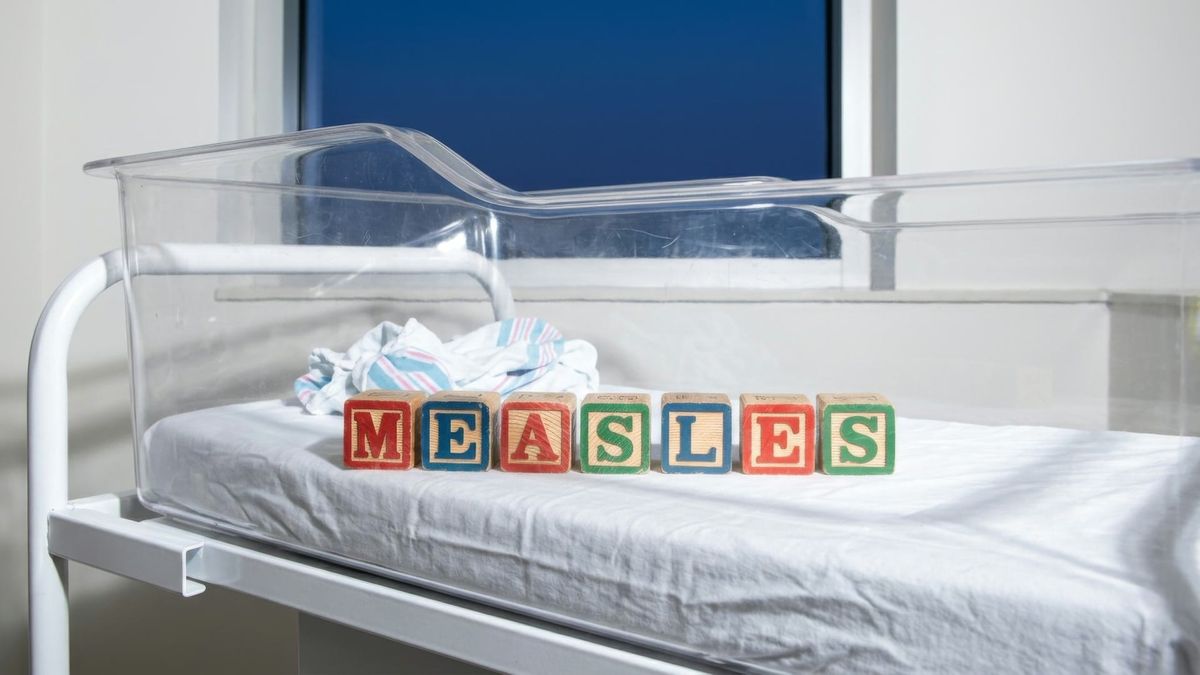
Pregnant social media users asked whether they are still protected against measles after childhood vaccination, while some commenters promoted ineffective, unsafe treatments.
The practical takeaway
Use the advisory and the questions it raised to guide timely information about measles immunity and what to do after exposure during pregnancy. Equip health care providers and trusted community partners to answer pregnancy-specific questions.
What's happening
On October 19, the Pennsylvania Department of Health issued an advisory on congenital measles. Amid the state’s ongoing outbreak, measles cases during pregnancy are rising, and at least six Pennsylvania babies were born with congenital measles. The advisory outlined guidance for preventing and treating measles during pregnancy and evaluating and treating newborns exposed in utero.
Articles reporting on the advisory drove national conversation about measles online, with many commenters expressing frustration about declining vaccination rates. Many pro-vaccine commenters confused measles with rubella, which the MMR vaccine also protects against. Vaccine opponents downplayed the risks of measles and advocated for “natural immunity,” narratives that commonly recur in measles conversations.
Pregnant people asked whether they are still protected after receiving the MMR vaccine during childhood and whether they should receive an additional dose. Some social media users urged pregnant people exposed to measles to take vitamin A, despite the advisory warning that vitamin A does not prevent measles and that taking more than 10,000 IU during pregnancy can increase the risk of fetal anomalies.
Questions people are asking
- What is the difference between measles and rubella?
- How do I find out if I’m still protected against measles?
- Can I get the MMR vaccine while pregnant?
- What should I do if I’m exposed to measles during pregnancy?
What you can do
Public-facing messaging: Translate the health advisory into clear, actionable information for pregnant people. Review existing measles materials to ensure they explain how adults can check vaccination records or immunity, where to find state-specific resources, and what to do after a possible exposure. Make sure materials address pregnancy-specific questions about MMR vaccination and congenital measles.
FAQs and owned channels: Address myths about vitamin A and natural immunity. Review FAQs and online materials for gaps related to recurring questions about vitamin A, “natural immunity,” and postexposure guidance. Develop or update content where needed.
Clinical coordination: Inform health care providers, especially those that interact with women of childbearing age or pregnant people, about circulating questions. Share current guidance so providers can address concerns about immunity, vaccine timing, and eligibility.
Community partners and trusted messengers: Connect with maternal health organizations and other trusted community partners. Work with them to identify what information about congenital measles is needed and how best to share it with pregnant people.
Learn more about the Infodemiology Initiative’s monitoring methods.