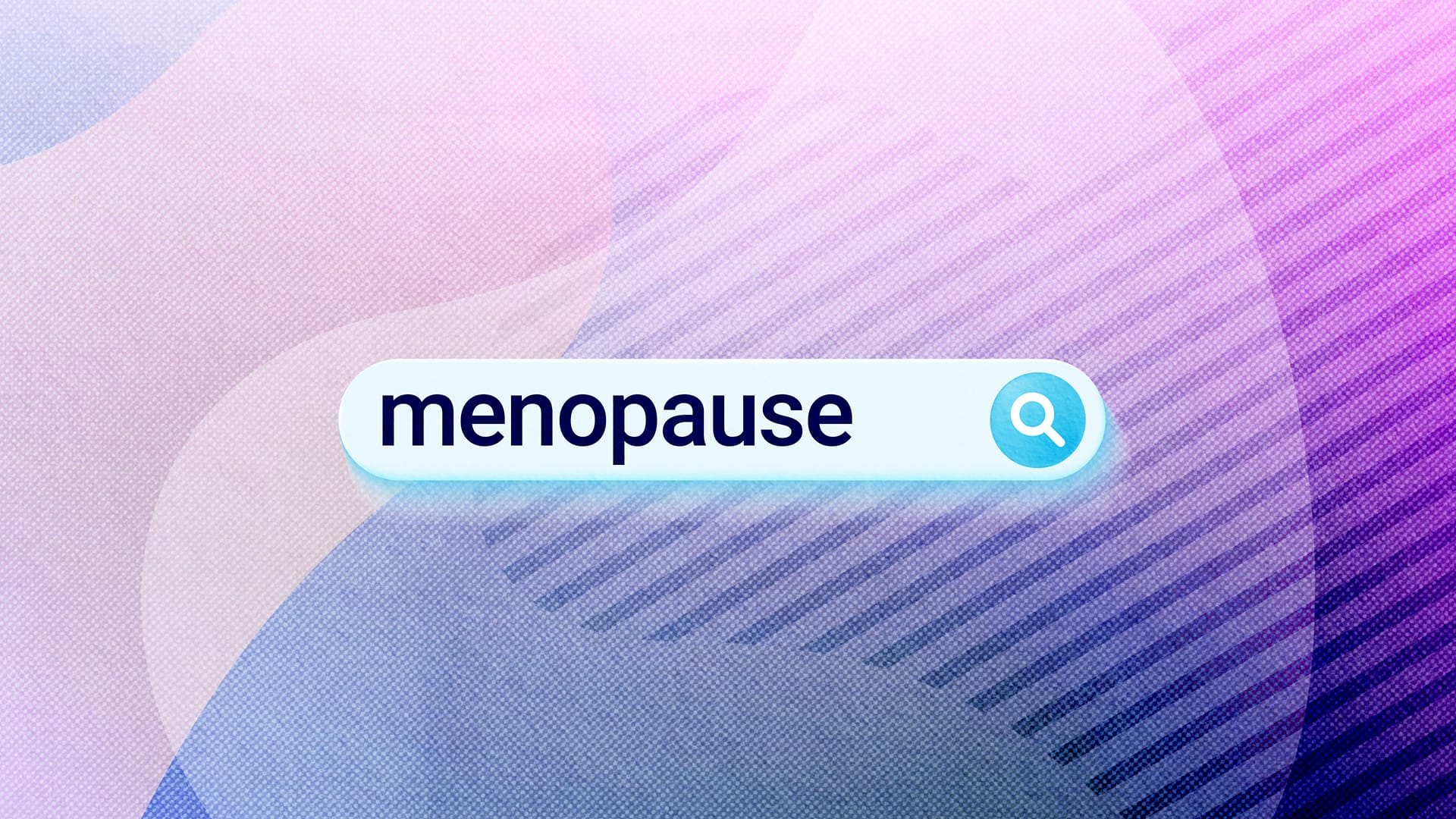
Women are talking about menopause online. Here’s what they’re asking.
Online conversations reveal frustration with providers and persistent gaps in reliable information online.
Explore resources from the global infodemiology community, including peer-reviewed articles, in-depth reports, media monitoring support, and messaging guides.
Resources
Online conversations reveal frustration with providers and persistent gaps in reliable information online.
Written from the perspective of public health professionals, this chapter explains the key features of health information-seeking and decision-making that make health disinformation not only an acute threat but also a long-term danger to population health if left unchallenged.
This scoping review aimed to map and synthesize evidence on the forms, spread, and impacts of misinformation related to sexual and reproductive health and rights in digital spaces, with a particular focus on implications for the protection and promotion of human rights.
This study, which explored how inoculation campaigns can be scaled in real-world social media feeds, found that Instagram users who watched a 19-second prebunking video about misleading content were more likely to identify deception in a news headline, with effects lasting up to five months.
This editorial argues that while stronger governmental regulation, platform moderation, and improved digital literacy are vital steps to addressing introduced bias and potential harm in health discourses online, attention to the structures of influence that form our information environment is key.
Posts highlight misconceptions about health risks, wellness claims, and a strong social identity around nicotine pouches.
Young people are turning to AI for mental health support. Here’s what they have to say.
This special commentary considers concrete ways that clinicians can intervene using familiar techniques to support their patients to curate unhealthy information environments and empower them to make well-informed decisions that align with their health goals.
This article argues that public health must name the information environment as a determinant of health and confront the ways digitalization, platformization, and profit-driven design reshape health decisions and health promotion practice.
Analysis of Reddit and X conversations shows providers expressing concern for patients and frustration with new federal guidance.
Florida’s move to eliminate school vaccine requirements fueled more than 100,000 posts and 12 billion impressions, marking the biggest spike in vaccine discussions since early summer.
The paper outlines a blueprint for a new community driven-model designed to counteract the growing public distrust across a range of issues including public health, election integrity and climate.
In this paper, The Public Good Projects (PGP) shares lessons learned from a project to increase vaccine confidence and uptake in the United States by assessing and opposing circulating Spanish-language COVID-19 vaccine misinformation.
Addressing these questions may allow health communicators to combat false information online.
In this paper, The Public Good Projects assesses how media monitoring can guide the tailoring of public health communications for mental health challenges in key groups.
Looking for support with your own infodemiology work, or want to partner to advance the field? Complete the form below or contact our team at info@infodemiology.com.