
Coordinated TikTok posts spark conversation about irregular menstrual cycles
A singer’s murder trial also prompted discussion about childhood sexual abuse and abortion.
A singer’s murder trial also prompted discussion about childhood sexual abuse and abortion.
Throughout July, videos claiming that many people were experiencing unusual menstrual changes sparked widespread discussion, with commenters speculating about the causes of irregular periods. Meanwhile, new evidence in a Los Angeles singer’s murder trial prompted conversation about child sexual abuse and abortion. Separately, a video of a woman confronting an anti-abortion protester reignited debate about abortion bans and fetal anomalies.
In response, communicators may share information about irregular periods and highlight how local abortion laws impact minors and pregnant people with fetal anomalies.
What’s trending nationally in conversations about reproductive health
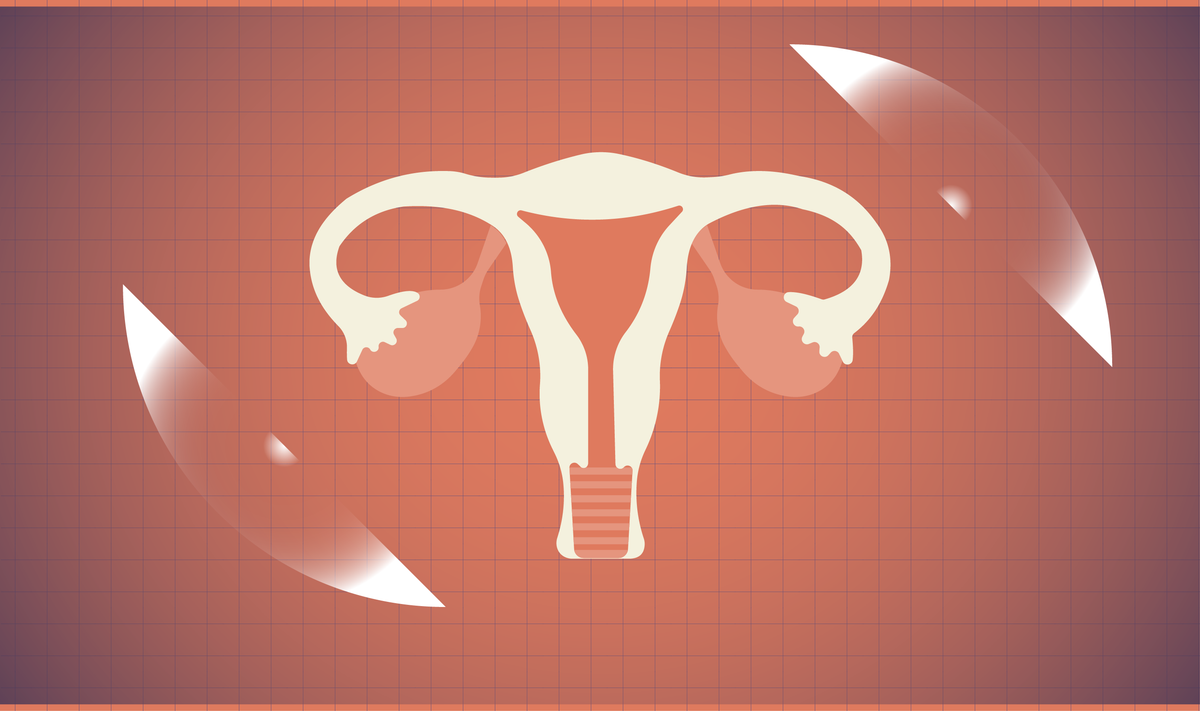
Throughout July, several TikTok users shared videos alleging without evidence that “thousands” or “millions of women” were experiencing unusually frequent periods, missed periods, or unusually painful periods that month and claimed that it’s “not a coincidence.” The posts appear to be coordinated, given their similar messaging and identical caption text, and they garnered more than 1 million engagements as of August 5. One user disclosed that her post was sponsored by Flo, a period tracking app. It has not been verified whether the company sponsored the broader trend. Commenters discussed changes in menstrual cycles and speculated about possible causes, including stress, heat, hormonal changes, and birth control pills.
New evidence in a murder trial against a 21-year-old Los Angeles singer accused of fatally stabbing and dismembering a 14-year-old girl ignited online conversation about abortion. Text messages suggested that before her death, the girl became pregnant at 13 and had an abortion. Commenters responding to the trial questioned how a child could have become pregnant without any adults—including health care providers—identifying signs of sexual abuse and intervening. Some falsely suggested that the child would have needed parental consent to get an abortion. (In California, minors do not need parental consent to get an abortion—however, health care providers must notify parents if a child is under 12 and reports sexual assault or rape.)
In late July, a video of a woman confronting an anti-abortion protester gained attention on Instagram. In the video, the woman told the protestor that her great niece learned that her fetus had a fatal fetal anomaly, anencephaly, in which much of the skull and brain did not develop. The woman said that because of her state’s abortion ban, her great niece was forced to deliver a baby that suffocated immediately after birth. The protester asked the woman if it would have been better to “rip that child apart in the womb.” The exchange led to thousands of comments, with most debating whether abortion should be allowed when the fetus has a fatal diagnosis. While some argued that health care decisions—including abortion—should be left to patients and their health care providers, others suggested that abortion is never justified.
Recommendations for public health professionals
The Infodemiology.com team will provide messaging recommendations in response to some of the trending narratives outlined above. These helpful tips can be used when creating content, updating web and FAQ pages, and developing strategy for messaging about reproductive health.
Conversations about irregular periods provide an opportunity to explain that most menstruating people have a period every 21 to 35 days, with bleeding that lasts four to seven days. However, some people may have irregular periods, meaning their periods occur fewer than 21 days or more than 35 days apart, they miss more than three periods in a row, they menstruate for more than seven days, or their menstrual bleeding is much heavier or lighter than usual. Potential causes of irregular periods may include health conditions like endometriosis; lifestyle factors, including stress and weight changes; birth control pills or other medications; and scarring or blockages in the uterus, ovaries, or fallopian tubes. Communicators may encourage people experiencing irregular periods to talk to a health care provider.
Continued legal proceedings may bring additional attention to child sexual abuse and abortion laws. Messaging may highlight the signs of child sexual abuse and include resources like RAINN’s National Sexual Assault Hotline; Darkness to Light, which offers information about preventing, recognizing, and reporting child sexual abuse; and Scarleteen, a sexual and relationship education organization geared toward teens and young adults. Communicators may explain that abortion laws impacting minors vary by state and ensure that all materials reflect up-to-date information.
Conversations about fetal anomalies and abortion consistently drive debate online. Communicators may share up-to-date information about their state's abortion laws. Communicators may also want to direct people to the Repro Legal Helpline, a free resource that connects people with lawyers who can answer questions about abortion, miscarriage, and birth; AbortionFinder.org, a database of reputable abortion providers; and Plan C, which offers information about accessing abortion pills by mail.

Insights reported by Public Good News, with communication guidance from the experts behind Infodemiology.com.