
Posts highlight declining overdose deaths
Social media users also discussed prescription errors and encouraged others to carry naloxone.
Social media users also discussed prescription errors and encouraged others to carry naloxone.
Recent social media posts called attention to provisional CDC data showing declining overdose deaths in almost every state, and commenters debated the cause. Plus, a pharmacist’s video about prescription errors sparked discussion about keeping naloxone on hand.
In light of these conversations, communicators may recirculate information about overdose prevention and explain how to handle medication errors.
What’s trending nationally in conversations about substance use
Several recent social media posts highlighted provisional CDC data that found that overdose deaths sharply declined between 2024 and 2025. Some posts received hundreds of thousands of views as of January 22. Many commenters expressed gratitude for naloxone and called for greater access to harm reduction programs and substance use disorder treatment. Others credited law enforcement with decreasing overdose deaths and wondered if illicit drugs have become less potent.
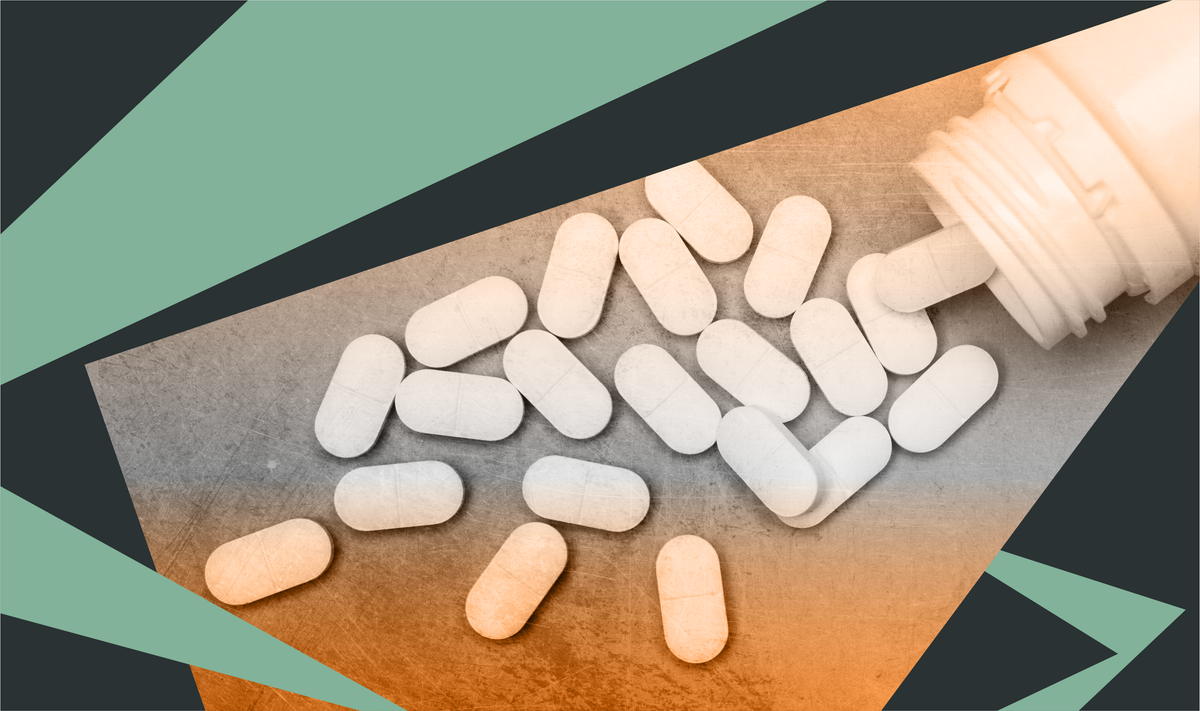
On January 10, a pharmacist with more than 600,000 TikTok followers shared a video responding to a woman who said that a pharmacy had given her a nonsteroidal anti-inflammatory drug in her prescription bottle instead of the morphine she’d been prescribed after a surgery, leading her to take the wrong medication. The pharmacist encouraged people who accidentally take the wrong medication to call a health care provider right away and contact the pharmacy that dispensed the medication. He also called on doctors to prescribe naloxone any time that patients are prescribed opioids to prevent accidental overdoses, although he noted that naloxone would not need to be administered in this case, since the woman took an NSAID. Commenters shared their own experiences with prescription errors and stressed the importance of carrying naloxone.
Recommendations for public health professionals
The Infodemiology.com team will provide messaging recommendations in response to some of the trending narratives outlined above. These helpful tips can be used when creating content, updating web and FAQ pages, and developing strategy for messaging about substance use.
In response to conversations about declining overdose deaths, communicators may explain that experts attribute the decline to the availability of naloxone, a medication that can reverse an opioid overdose. Messaging may outline the signs of an opioid overdose and explain that anyone can purchase naloxone without a prescription, including at pharmacies, grocery stores, and other popular retailers. Highlighting local programs that offer free naloxone and training is also recommended. Communicators may stress that it’s safe to administer naloxone even if the person is not overdosing or is not overdosing on opioids. Messaging may also help connect people to SUD treatment options through SAMHSA’s National Helpline.
Given conversations about prescription errors, messaging may stress that while these errors sometimes occur, patient errors—like taking a pill from the wrong bottle or accidentally taking too much medication—are more common. Communicators may explain that patients who receive the wrong prescription medication should stop taking the medication as soon as they notice the error and contact the pharmacy that dispensed it. Anyone who has accidentally taken the wrong medication for any reason can use Poison Control’s online tool for guidance or call Poison Control at 1-800-222-1222. Messaging may also encourage everyone to keep naloxone in their first aid kit, especially patients who are prescribed opioids.

Insights reported by Public Good News, with communication guidance from the experts behind Infodemiology.com.