
Illicit drug alerts prompt questions about when to use naloxone
Meanwhile, an actress’s report of being drugged at a party fueled discussion about drink tampering.
Meanwhile, an actress’s report of being drugged at a party fueled discussion about drink tampering.
Police departments and health officials warned about substances in the illicit drug supply that can increase the risk of overdose, leading to questions on social media about naloxone’s effectiveness. Plus, after an actress said she was drugged with fentanyl at a party, commenters discussed how to prevent “getting roofied.” Additionally, a report linking a police officer’s death after a car crash to fentanyl sparked a wave of myths that “accidental fentanyl overdoses” can occur through touch.
Given these discussions, communicators may recirculate information about when to use naloxone, share tips to prevent drink tampering, and explain how fentanyl overdoses happen.
What’s trending nationally in conversations about substance use
On February 18, a West Virginia police department issued an alert after the department seized more than 900 tablets shaped like Transformers characters that contained fentanyl and MDMA (commonly known as “ecstasy”). Officials warned that the candy-like appearance could increase the risk of children ingesting the drugs and overdosing. Meanwhile, health officials in Kentucky, Tennessee, and Ohio issued warnings that cychlorphine, a potent synthetic opioid, has been identified in local drug supplies and linked to overdose deaths. Some commenters encouraged people to carry naloxone. A few asked whether naloxone is effective against strong opioids like fentanyl and cychlorphine.
On February 26, actress Lisa Rinna said in an interview that she believed someone had spiked her drink with fentanyl and other substances while attending a party at a Los Angeles nightclub. In response, many social media users expressed skepticism about how the drugs entered Rinna’s system. Some commenters noted that others have reported drink tampering at the same nightclub Rinna attended. They warned about the dangers of “getting roofied” and reminded others to never leave drinks unattended.
On February 23, the Los Angeles County medical examiner reported that a police officer who died in a car crash while on duty last year had fentanyl in his system at the time of his death. In response, some social media users alleged without evidence that the officer died from an “accidental fentanyl exposure” after touching a suspect’s drugs. Others pushed back on this common myth, noting that you cannot overdose on fentanyl by touching it.
Recommendations for public health professionals
The Infodemiology.com team will provide messaging recommendations in response to some of the trending narratives outlined above. These helpful tips can be used when creating content, updating web and FAQ pages, and developing strategy for messaging about substance use.
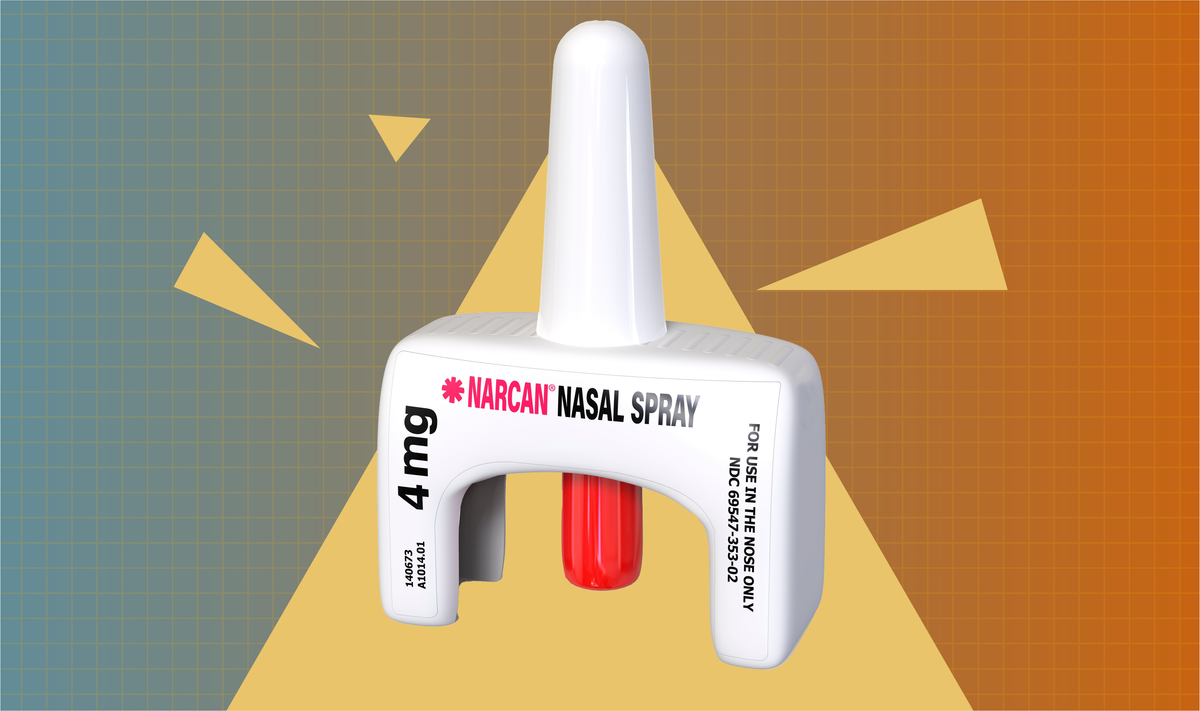
As substances emerge in the illicit drug supply, community members often ask if naloxone is still effective. In response, messaging may stress that naloxone is effective at reversing an overdose from any opioid, including fentanyl and cychlorphine, but that multiple doses may be needed. Communicators may explain that it’s safe to administer naloxone any time an overdose is suspected, even if you’re not sure if the person is overdosing on opioids, and that it’s safe for children and infants. Urging bystanders to always call 911 is recommended. Messaging may explain that if you administer naloxone and overdose signs do not resolve, you should give additional doses every two to three minutes until the person begins to breathe normally or until medical help arrives. Messaging may note that naloxone may be available for free through many harm reduction programs and that anyone can purchase it without a prescription at pharmacies and some grocery and convenience stores. Explaining how to use naloxone and sharing information about any local naloxone trainings is recommended.
Given concerns about drink tampering, communicators may outline the signs that a drink may have been tampered with and explain what to do if you think you’ve ingested drugs without your consent—discard the beverage you’ve been drinking, avoiding drinking more alcohol, contact a friend or family for support, and, if you’re in a public place, alert the venue’s manager. Messaging may encourage people to never leave drinks unattended, avoid accepting drinks from strangers, and go out in groups.
False claims that fentanyl overdoses can occur through skin contact or by accidentally inhaling a small amount repeatedly reemerge, especially in response to stories about police officers encountering the drug. Communicators may emphasize that while fentanyl is a potent opioid that is involved in most U.S. overdose deaths, you cannot overdose on fentanyl by touching it or by accidentally breathing in a small amount. People who use drugs are at risk of fentanyl overdose because like other opioids, fentanyl can slow or stop breathing, and it may be unknowingly mixed with other illicit drugs.

Insights reported by Public Good News, with communication guidance from the experts behind Infodemiology.com.